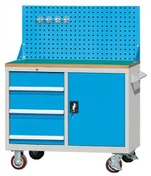
In the electronics industry, ESD (electrostatic discharge) is a significant concern as it can cause irreparable damage to sensitive electronic components. An ESD workbench is a critical component of an effective ESD control program. In this article, we will explore the role and importance of an ESD workbench in the electronics industry.
What is an ESD Workbench?
An ESD workbench is a specialized workbench designed to minimize the risk of electrostatic discharge when working on sensitive electronic components. ESD workbenches are constructed with materials that prevent the buildup of static electricity, such as conductive laminate, and are equipped with accessories that help to dissipate any static charges that may accumulate.
Role of an ESD workbench in the electronics industry
The primary role of an ESD workbench in the electronics industry is to provide a static-safe work environment. This is achieved by ensuring that any electrostatic charges generated during the handling of electronic components are dissipated safely to ground. This prevents the buildup of static charges, which could cause damage to sensitive components.
Importance of an ESD workbench in the electronics industry
The importance of an ESD workbench in the electronics industry cannot be overstated. Without proper ESD control measures in place, sensitive electronic components can be damaged, resulting in costly product failures and warranty claims.
An ESD workbench provides the following benefits
1.Minimizes the risk of electrostatic discharge damage: An ESD workbench is designed to dissipate static charges that may accumulate during the handling of electronic components. This minimizes the risk of electrostatic discharge damage, which can cause significant financial losses.
2.Provides a static-safe work environment: By ensuring that any static charges generated during the handling of electronic components are dissipated safely to ground, an ESD workbench provides a static-safe work environment for technicians.
3.Improves product reliability: Proper ESD control measures, including the use of an ESD workbench, help to improve product reliability by minimizing the risk of damage to sensitive electronic components.
4.Protects against warranty claims: Damage to sensitive electronic components due to electrostatic discharge can result in costly warranty claims. An ESD workbench helps to prevent such claims by providing a static-safe work environment.
Conclusion
In summary, an ESD workbench is a critical component of an effective ESD control program in the electronics industry. It provides a static-safe work environment, minimizes the risk of electrostatic discharge damage, improves product reliability, and protects against costly warranty claims. By investing in an ESD workbench, electronics manufacturers can ensure that their products meet the highest standards of quality and reliability.